Confused about the types of dog food? This article explains the different options available and their benefits, helping you choose the best food for your pet.
Key Takeaways
- Kibble provides a nutritionally complete, convenient, and economical option for dog owners, promoting dental health and available in various formulations.
- Wet food is highly palatable for picky eaters and offers higher protein and fat levels, but requires larger portions and has a shorter shelf life once opened.
- Choosing the right dog food depends on factors like age, breed, and health concerns, with options ranging from kibble and frozen meals to raw and air-dried diets.
Kibble: The Convenient Choice for Many Dogs

Kibble, or dry dog food, is a staple in many homes and for good reason. This type of dog food is generally considered nutritionally complete, containing a mix of meat, carbohydrates, and essential vitamins to provide balanced nutrition. The composition of kibble typically includes 90% dry matter and only 10% water, making it an efficient choice for delivering a high concentration of nutrients.
One of the major advantages of kibble is its economic and practical benefits. It has a long shelf life and does not require refrigeration, making it a cost-effective option for pet owners. Additionally, kibble’s dry nature helps promote dental health by reducing tartar buildup, which is a significant benefit for maintaining your dog’s oral hygiene.
Kibble is also available in a variety of flavors and formulations to meet the specific nutritional needs of different dogs. Whether your dog requires a grain-free diet, high-protein food, or a formula for sensitive stomachs, there’s a kibble option suitable for them. This versatility makes kibble a reliable and convenient choice for many dogs.
Wet Food: A Palatable Option for Picky Eaters
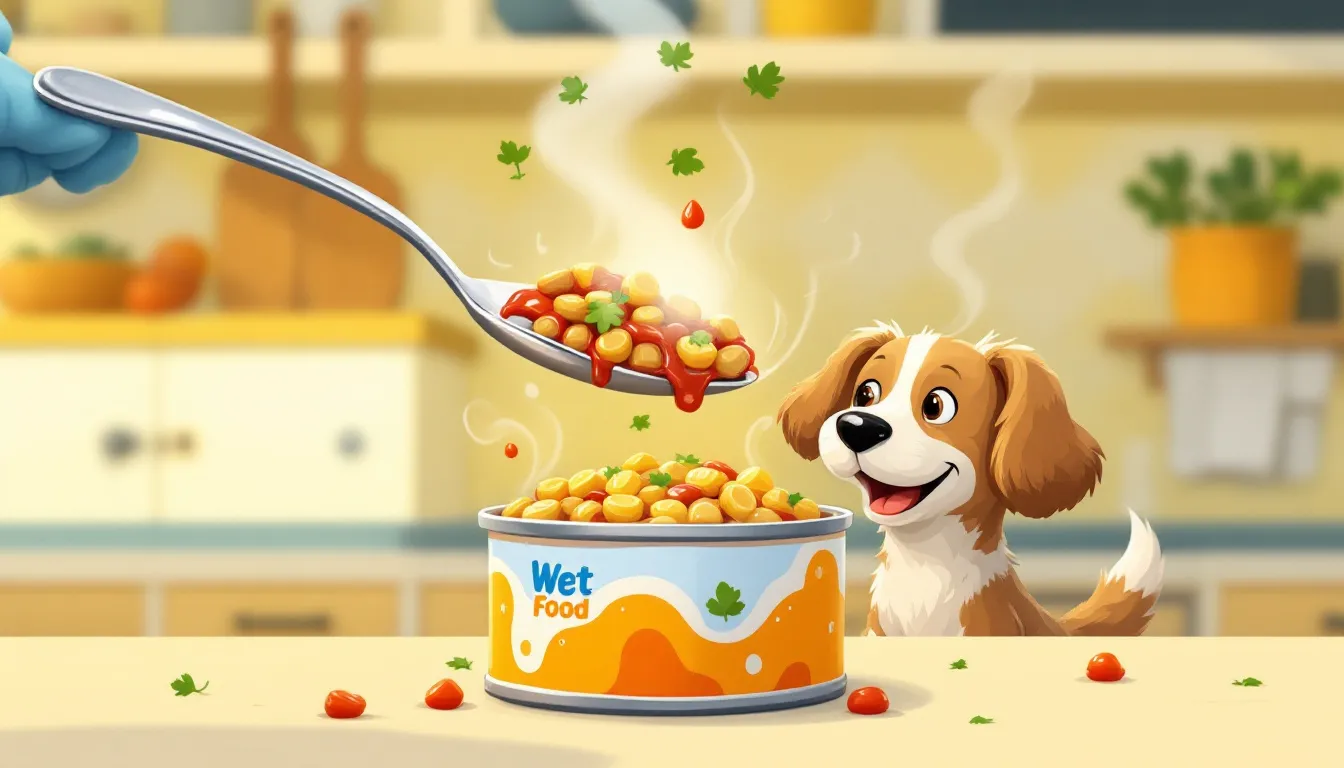
Wet food, often referred to as canned food, is another popular choice among dog owners, especially for those with picky eaters. Canned dog food typically contains more meat and fewer carbohydrates than dry food, with a high moisture content of about 68%-78%. This high water content makes wet food particularly appealing to dogs, as it closely resembles fresh meat.
The nutritional content of wet food is another significant advantage. With higher protein and fat levels, wet food can help prevent obesity and provide a balanced diet for dogs. However, the high moisture content means that dogs need to consume more food to meet their nutritional needs. This can be a consideration for pet owners looking to manage portion sizes and feeding schedules.
While wet food is highly palatable and can encourage even the most selective eaters to enjoy their meals, it does come with some drawbacks. It typically has a shorter shelf life once opened and can be less convenient to store compared to kibble. Moreover, wet food may have fewer nutrients per serving than dry food, necessitating larger portions to meet a dog’s nutritional requirements.
Semi-Moist Dog Foods: Convenience at a Higher Cost
Semi-moist dog foods strike a balance between the convenience of dry food and the appeal of wet food. These foods are preserved using humectants, simple sugars, and acids, giving them a moisture content of 25%-40%. They often come in resealable pouches, making them easy to pour and store. Additionally, semi-moist dog foods are shaped like pork chops or burgers, which can be enticing for dogs.
However, this convenience comes at a higher cost. Semi-moist dog foods are generally more expensive than other types of dog food. They are also considered the least nutritional option, containing many artificial flavors and colorings. This makes them less suitable as a complete diet, and they are often recommended only as occasional treats rather than a primary food source.
Freeze-Dried Dog Food: Nutrient-Rich and Lightweight

Freeze-dried dog food is an innovative option that combines the benefits of raw food with the convenience of dry food. This type of dog food is made by removing moisture through a freeze-drying process that preserves the taste and nutritional value of the ingredients. As a result, freeze-dried dog food is often considered to be nutritionally complete and minimally processed.
One of the standout features of freeze-dried dog food is its high protein content, which makes it easier for dogs to digest when they are healthy. The freeze-drying process also extends the shelf life of the food, helping to prevent spoilage and making it a practical option for long-term storage.
Raw ingredients in freeze-dried dog food are preserved without the use of high heat, ensuring that all the nutrients remain intact. This makes it an excellent choice for pet owners who want to provide a diet that is as close to raw as possible without the risks associated with raw diets.
Air-Dried Dog Food: Gentle Processing for Maximum Nutrition
Air-dried dog food offers a unique approach to preserving nutrients while providing a convenient feeding option. This type of dog food uses minimal heat during processing, which helps retain essential nutrients and ensures that the food remains highly nutritious.
Many air-dried dog food recipes contain high-quality proteins like real meat, providing essential fatty acids and amino acids that are vital for a dog’s health. This means that your pet can enjoy a diet rich in quality ingredients that support overall wellness.
Air-dried dog food is also lightweight and easy to store, making it an excellent option for travel and everyday feeding. Its gentle processing method makes it suitable for dogs with sensitive stomachs or dietary sensitivities, offering a balanced and nutritious diet without the need for artificial preservatives. Additionally, dry foods can provide a convenient alternative for pet owners.
Home Cooked Diets: Control Over Nutrition
Home-cooked diets provide pet owners with complete control over their dog’s meals, allowing them to select each ingredient and tailor the home cooked diet to their pet’s specific needs. This approach is particularly beneficial for addressing specific health issues, such as allergies or digestive problems.
However, creating balanced meals at home can be challenging and requires a thorough understanding of canine nutritional needs. Home-cooked meals must contain all necessary vitamins, minerals, and other nutrients to prevent deficiencies.
Despite the benefits, there is a risk of nutritional deficiencies if the meals are not properly balanced. Consulting with a veterinarian or a pet nutritionist can help pet owners create a complete and balanced diet for their dogs, ensuring they receive all the nutrients they need for optimal health.
Raw Diets: An Evolutionary Approach to Feeding
Raw diets, which consist of raw meat, bones, and organs, are based on the premise that dogs’ digestive systems are better suited to raw food. There are two primary categories of raw diets: home-prepared diets and commercial diets. Supporters of raw diets argue that these diets can lead to shinier coats, healthier skin, and cleaner teeth, which can also be beneficial for a dog’s diet, including raw dog food.
One of the significant benefits of raw diets is that they are easier for dogs to digest raw food due to their short intestinal tracts and strong stomach acids. However, raw diets come with risks, such as bacterial contamination, which can pose health threats to both dogs and their owners.
Consulting with a veterinarian before starting a raw diet can help discuss potential benefits and risks. A professional can help ensure that the diet is balanced and safe for your pet, providing the necessary guidance to navigate this feeding approach.
Frozen Cooked Meals: Fresh and Ready-to-Serve
Frozen cooked meals offer a convenient solution for busy pet owners who want to provide fresh, nutritionally balanced meals without the hassle of home cooking. These meals are ready-made and ensure that your dog receives all the essential nutrients for overall health and wellness.
The convenience of frozen cooked meals lies in their ease of preparation and storage. They can be quickly thawed and served, making them an ideal option for pet owners looking for a quick and healthy feeding solution. This type of dog food combines the benefits of home-cooked meals with the practicality of commercial pet foods.
Choosing the Right Food for Your Dog
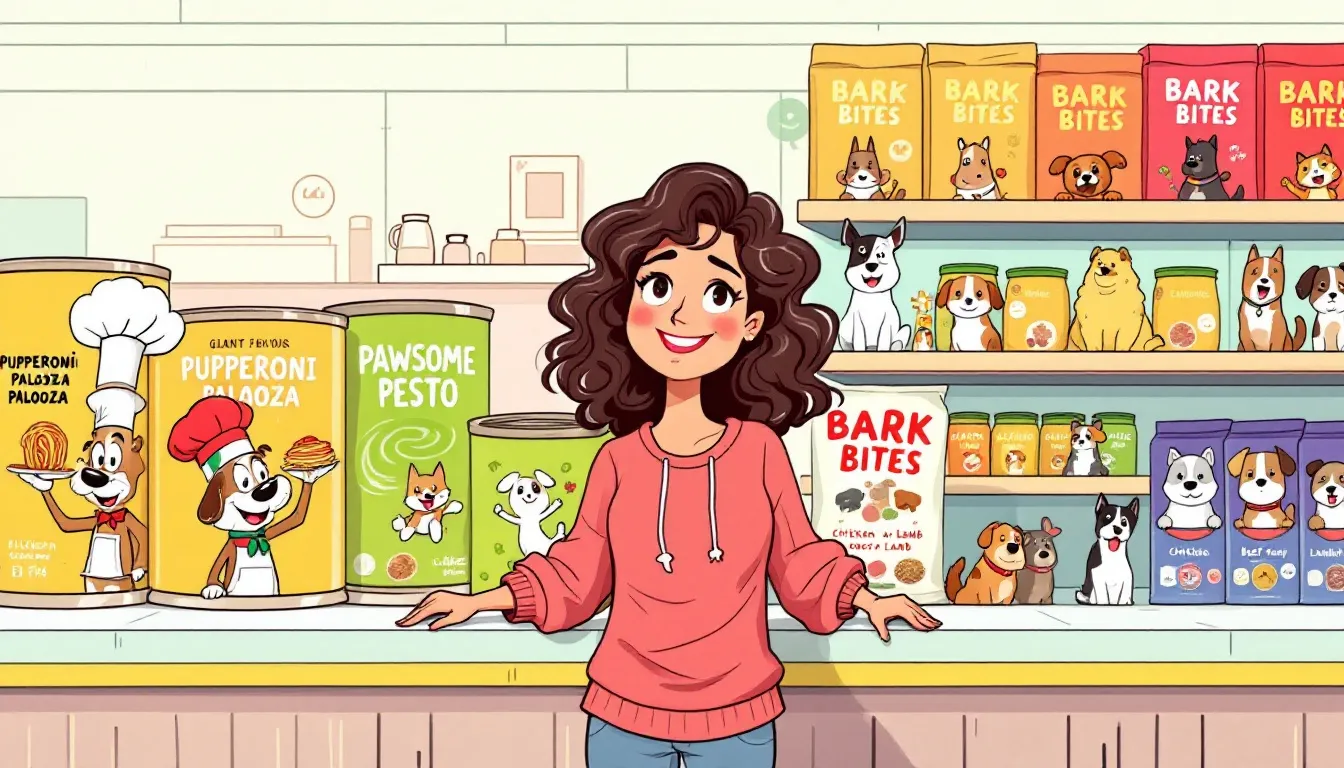
Selecting the right dog food involves considering several factors, such as your dog’s age, breed, activity level, and any specific health concerns. Kibble, for instance, is nutritionally balanced and eliminates harmful bacteria during production, making it a safe and reliable option.
Frozen cooked meals are also a great choice as they preserve nutrients and improve digestibility, benefiting your dog’s overall health. For dogs with sensitivities, air-dried options are beneficial due to their minimally processed ingredients.
When choosing dog food, it’s essential to read labels carefully and evaluate the ingredients against AAFCO standards for nutritional adequacy. Understanding the guaranteed analysis and being aware of ingredient splitting techniques can help you make informed decisions about your pet’s diet.
Summary
In summary, selecting the right dog food is vital for your pet’s health and well-being. From kibble’s convenience and economic benefits to the fresh appeal of frozen cooked meals, each type of dog food offers unique advantages. By understanding these options and considering your dog’s specific needs, you can make informed choices that contribute to a happy and healthy life for your furry friend.
Remember, consulting with a veterinarian is always a wise step when making significant changes to your dog’s diet. Armed with the knowledge from this guide, you’re well-equipped to provide the best nutrition for your pet.
Frequently Asked Questions
What is the best type of dog food for my dog?
The best type of dog food for your dog varies based on age, breed, activity level, and health needs; consulting a veterinarian will help you choose the most appropriate option.
How do I know if my dog is getting the right nutrition?
To ensure your dog is receiving the right nutrition, choose a dog food that meets AAFCO standards and provides a balanced diet, and schedule regular veterinary check-ups to monitor their health.
Are there any risks to feeding my dog a raw diet?
Feeding your dog a raw diet can pose risks, particularly from bacterial contamination that may affect both your pet and your household. Consulting with a veterinarian is essential to weigh the potential benefits against these risks.
Can I mix different types of dog food?
Yes, you can mix different types of dog food to provide variety, but ensure the combination meets all your dog’s nutritional requirements for a balanced diet.
How often should I switch my dog’s food?
It’s best to keep your dog on a consistent diet unless advised otherwise for health reasons. Always transition to new food gradually and consult with a veterinarian for the best approach.