Choosing the right food for your dog can be overwhelming. Our dog food comparisons chart compares various brands and types based on ingredients, nutritional value, and suitability for different breeds and life stages. This guide will help you find the best option for your pet’s needs.
Key Takeaways
- Choosing the right dog food requires considering your dog’s breed, age, size, and activity level to meet their specific nutritional needs.
- Key ingredients to look for include high-quality protein sources as the first ingredient, as well as balanced levels of carbs and fats depending on the dog’s life stage.
- Understanding dog food labels, including AAFCO standards and guaranteed analysis, is crucial for ensuring that your dog receives complete and balanced nutrition.
The Basics of Dog Food Comparison
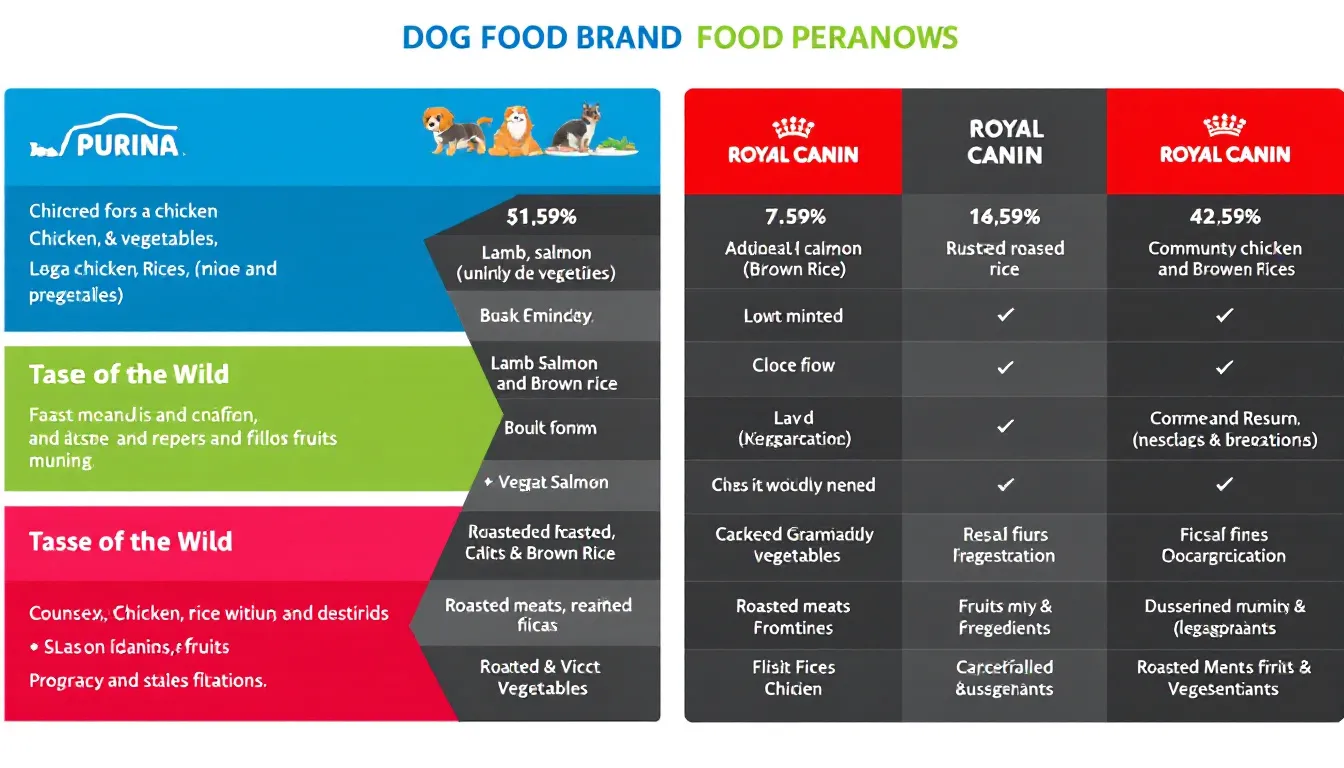
Choosing the right dog food begins with understanding the basic factors that influence your dog’s dietary needs. One size does not fit all when it comes to pet foods. Key elements such as breed, age, size, and activity levels must be considered to ensure your dog receives the appropriate nutrition. For instance, a high-energy breed like a Border Collie will have different nutritional requirements compared to a more sedentary breed like a Bulldog.
Recognizing that different breeds have specific nutritional needs is crucial; feeding them based on personal preferences alone is not advisable. Puppies need different nutrition compared to adult and senior dogs, as their needs change with age. Larger breeds require more food than smaller breeds, and active dogs generally need more calories than their less active counterparts.
Understanding these basics will set the foundation for making more informed choices about your dog’s diet.
Key Ingredients to Look For
The ingredients list on dog food packaging can tell you a lot about the quality of the product. One of the most important things to look for is meat listed as the first ingredient. This ensures a high protein content, which is essential for your dog’s health. Common meat options include beef, chicken, lamb, and fish, all of which provide vital nutrients necessary for a balanced diet.
Grains are another component to consider. While some dog owners opt for grain-free diets, it’s important to note that grains can provide essential nutrients and fiber, which are beneficial for digestive health. Dogs require different nutritional profiles throughout their lives, including varying levels of protein, fat, and carbohydrates. For example, puppies need additional nutrients like DHA for proper development.
When evaluating the ingredient list, remember that ingredients are listed by weight in descending order. This means the most prominent ingredient appears first. High standards in dog food manufacturing ensure that the presence of quality ingredients supports your dog’s overall health. Always check for nutrients that support your dog’s size, weight, and activity level to determine if the food meets your pet’s specific needs.
Types of Dog Food: Wet vs. Dry

Deciding between wet dog food and dry kibble is another key consideration. Dry dog food is generally more affordable and easier to store compared to wet food. It also has a lower moisture content, which means it offers more concentrated nutrition per pound. This makes dry kibble a convenient option for many pet owners.
On the other hand, wet dog food often contains higher levels of protein and fat, which can be beneficial for your dog’s diet. However, it is prone to spoilage and may require refrigeration after opening, adding to storage demands. Despite this, wet dog food offers a higher level of palatability, making it more appealing to picky eaters.
Some dogs have a preference for dry kibble. Others may like wet food or a mix of both options. Each type of food has its own advantages. For instance, dry food helps in dental health by scraping off plaque, whereas wet food may contribute to dental issues. Ultimately, the choice between wet and dry dog food should be based on your dog’s preferences and nutritional needs.
When choosing between these options, consider your dog’s age, activity level, and any specific dietary requirements they may have. With so many dog food brands offering both wet and dry varieties, you have the flexibility to choose the best option for your pet’s health and happiness.
Nutritional Needs at Different Life Stages
As your dog progresses through different life stages, their nutritional needs will change. Puppies, adult dog food, and senior dogs each have unique dietary requirements that must be met to ensure their overall health. Dog foods that satisfy AAFCO requirements can claim to be nutritionally complete and balanced for specific life stages.
Let’s explore these needs in detail.
Puppy Nutrition
Puppies are in a critical stage of growth and development, requiring higher levels of calories, protein, and specific vitamins compared to adult dogs. Because they are growing, puppies need more calories to support their rapid development. Their diet should be rich in proteins from sources like chicken and beef to build strong muscles and support overall growth.
Ensuring puppies develop steadily without rapid growth is crucial to prevent health issues and nutritional deficiencies. A balanced diet rich in essential nutrients like DHA for brain development lays the foundation for a healthy life.
Consulting with a veterinarian helps determine the best feeding plan for your puppy.
Adult Dog Nutrition
Adult dogs have different nutritional needs compared to puppies. Their diet should be balanced to maintain a healthy weight and meet their energy needs for daily activities. Spayed or neutered dogs generally consume fewer calories than their unaltered counterparts, so their diet should be adjusted accordingly.
A balanced diet for adult dogs typically includes a mix of proteins, fats, and carbohydrates to support their overall health. Foods that meet AAFCO standards are considered nutritionally complete and balanced for adult dogs. Monitoring your dog’s weight and adjusting food intake as needed can prevent obesity and keep them active and healthy.
Senior Dog Nutrition
As dogs age, their nutritional needs change significantly. Senior dogs often require fewer calories and specific nutrients to manage their health. They may need more fiber in their diet to aid digestion and easily digestible proteins to support muscle maintenance.
Diets for senior dogs should also be lower in calories and rich in nutrients that support mobility and joint health, such as glucosamine and omega-3 fatty acids. As your dog ages, their diet requires special attention to keep them healthy and comfortable in their golden years.
Specialized Diets for Specific Health Concerns

Some dogs have specific health concerns that require specialized diets. For example, senior dogs often benefit from diets that include ingredients promoting mobility and reducing inflammation. These diets may also be rich in antioxidants to help manage oxidative stress associated with aging.
Dogs with allergies may need special formulations to alleviate symptoms such as gastrointestinal issues and skin irritations. Grain-free diets are often marketed for dogs with allergies, although grains are not usually the primary allergenic triggers. In some cases, veterinary therapeutic diets are necessary to prevent adverse reactions.
For dogs with obesity concerns, specialized diets with lower fat content and controlled calorie levels can help manage weight effectively. Joint health formulas for large breeds typically include added glucosamine and omega-3 fatty acids to support mobility.
Dietary formulations for sensitive stomachs often feature easily digestible proteins and prebiotic fibers. Many dog owners report noticeable improvements in their pets’ health after switching to high-protein, grain-free diets.
Evaluating Dog Food Brands

When evaluating dog food brands, it’s crucial to check the sourcing and safety of the ingredients used. Whole food components that are minimally processed maximize nutritional value for dogs. The Association of American Feed Control Officials (AAFCO) sets nutrient profile standards to ensure all essential nutrients are included in the food.
Dog foods that meet AAFCO standards can claim to be 100 percent complete and balanced for the life stage indicated on the packaging. You can determine if dog food meets these standards by checking the package for the AAFCO statement.
The quality of dog food brands directly affects your pet’s health and well-being, so thorough assessment is necessary.
How Much Food Should You Feed Your Dog?
Determining the right amount of food for your dog can be challenging. Using a dog’s body condition score helps in deciding appropriate food portions, especially since overweight dogs require fewer calories. The amount of food required can vary significantly based on size, age, and level of physical activity. Maintaining a healthy weight is crucial for adult dogs, and this can be achieved through a balanced diet that meets their specific energy needs.
Feeding guidelines on dog food packaging can assist in determining portion sizes. For specific questions about your dog’s food needs, consulting a veterinarian ensures proper feeding.
Benefits of Natural and Grain-Free Options
Natural and grain-free dog foods are becoming increasingly popular. Grain-free dog foods often contain higher protein levels and animal fats while having fewer carbohydrates, making them suitable for dogs sensitive to gluten.
Common protein sources in these diets include:
- chicken
- fish
- lamb
- beef
- turkey
Natural options, along with novel proteins like venison or duck, are also trending. These foods cater to dogs with specific dietary needs or preferences, providing many options for pet owners to choose from.
Understanding Dog Food Labels

Reading dog food labels can be daunting, but it ensures your pet’s nutrition. The AAFCO statement on packaging shows if the food has necessary nutrients for a particular life stage. Pet food companies often engage third-party labs to verify their products against AAFCO’s nutrient profiles. To be labeled as complete and balanced, dog food must meet or exceed AAFCO’s established dietary nutrient profiles.
Dog food labels must display a guaranteed analysis, showing the minimum percentages of crude protein, fat, fiber, and moisture. The ingredients are listed by weight in descending order, with the most prominent ingredient appearing first.
Product names can indicate the primary ingredient based on AAFCO rules, such as the ‘95% rule’ which requires 95% of the product to be that ingredient. Understanding these labels will help you make informed decisions about your dog’s diet, ensuring they receive the best possible nutrition.
Summary
Providing the best nutrition for your dog involves understanding their specific needs at different life stages, choosing the right type of food, and evaluating the quality of dog food brands. By focusing on key ingredients and understanding dog food labels, you can make informed choices that support your dog’s health and happiness.
Remember, each dog is unique, and their dietary needs can vary based on breed, age, size, and activity levels. Always consult with your veterinarian to tailor your dog’s diet to their specific needs. With the right knowledge and resources, you can ensure your furry friend enjoys a long, healthy, and happy life.
Frequently Asked Questions
How do I know if a dog food is nutritionally complete?
To ensure dog food is nutritionally complete, check for the AAFCO statement on the packaging, confirming it meets the nutrient profiles for your dog’s life stage. This ensures your pet receives the essential nutrition they need.
Should I feed my dog wet or dry food?
Consider your dog’s specific needs; dry food is economical and promotes dental health, whereas wet food is often more appealing and higher in protein. Ultimately, a combination of both may provide a balanced diet.
How much food should I feed my dog?
The appropriate amount of food for your dog depends on factors such as size, age, and activity level. It’s essential to follow the feeding guidelines on the dog food packaging and consult your veterinarian for tailored advice.
Are grain-free diets better for my dog?
Grain-free diets may be beneficial for dogs with gluten sensitivities and can offer higher protein, but grains typically aren’t the main allergens. It’s essential to assess your dog’s specific dietary needs before making any changes.
What should I look for in a dog food label?
When examining a dog food label, prioritize the AAFCO statement, guaranteed analysis, and a clear ingredient list in descending order by weight. This approach guarantees the food adheres to nutritional standards and includes high-quality ingredients.