Curious about dog diet facts? This guide provides essential information on what your dog needs to stay healthy, covering proteins, fats, carbs, vitamins, and more.
Key Takeaways
- A balanced dog’s diet should include proteins, fats, carbohydrates, vitamins, minerals, and water to support physical health and behavior.
- Nutritional needs vary by life stage; puppies, adult dogs, and seniors require tailored diets to promote optimal health.
- When selecting dog food, prioritize high-quality ingredients, understand nutritional guidelines, and consult a vet for special dietary needs.
Nutritional Basics for Dogs

Ensuring a variety of nutrients like proteins, fats, carbohydrates, vitamins, minerals, and water is fundamental to a dog’s diet. A balanced diet and complete and balanced nutrition support their physical health and can also help minimize behavioral problems.
Essential nutrients are absorbed and utilized in a dog’s body to support various physiological processes, emphasizing the importance of a balanced diet for overall health.
Providing a combination of plant and animal foods can meet a dog’s nutritional needs. Detailed information on each essential nutrient will help you create a complete and balanced diet for your pet.
What is a Balanced Diet for Dogs?
A balanced diet for dogs is one that provides all the necessary nutrients for optimal health and well-being. This includes a mix of high-quality protein, moderate amounts of fat, complex carbohydrates, and a range of essential vitamins and minerals. The ideal balance of these nutrients will vary depending on factors such as the dog’s age, breed, and health status.
A balanced diet for dogs should include:
- High-quality protein sources: Meat, fish, and eggs are excellent sources of protein that support muscle development and overall health.
- Moderate amounts of fat: Including essential fatty acids, fats are crucial for energy, skin health, and joint function.
- Complex carbohydrates: Whole grains and vegetables provide energy and support digestive health.
- Vitamins and minerals: Nutrients like vitamin A, vitamin D, and calcium are vital for bone health, immune function, and overall well-being.
Ensuring your dog receives a balanced diet is essential for maintaining their overall health and well-being. A diet deficient in one or more nutrients can lead to various health problems, including skin issues, digestive disorders, and an increased risk of disease.
Proteins for Dogs
Proteins are the building blocks of your dog’s body, playing a critical role in the formation and maintenance of:
- cartilage
- tendons
- ligaments
- muscles
- skin
- hair
- nails
- blood
They also provide the essential amino acids that dogs cannot produce on their own, making them indispensable for a dog’s diet. High-quality sources of protein, such as meat, fish, and eggs, provide large portions of all essential amino acids necessary for your dog’s health. It’s recommended that at least 33% of a dog’s diet consist of meat to ensure they receive the necessary nutrients.
Feeding your dog multiple protein sources helps avoid low-quality proteins that can cause dietary issues and poor absorption. Protein quality is determined by its source, amino acid content, and bioavailability.
High-quality proteins ensure that your dog’s diet supports their overall health and well-being.
Fats and Fatty Acids
Fats and essential fatty acids are crucial for providing energy, supporting skin health, and maintaining joint function in dogs. Omega-3 fatty acids, sourced from flaxseed, canola, and marine fish oils, can help manage inflammation and support joint health.
These fats and fatty acids are absorbed and utilized in a dog’s body to support various physiological processes, emphasizing the importance of a balanced diet for overall health. Adequate omega-3 and omega-6 fatty acids in the diet are necessary, as dogs cannot synthesize these fatty acids on their own.
Carbohydrates and Fiber
A dog’s diet should include carbohydrates as a primary energy source, which are essential for maintaining healthy digestive function. They supply energy and provide dietary fiber, which is crucial for digestive health. Recommended sources of carbohydrates for dogs include fruits, vegetables, legumes, and certain grains.
Soluble fiber helps retain water, making feces softer, while insoluble fiber increases fecal bulk and promotes regular bowel movements.
Vitamins and Minerals
Vitamins and minerals are vital for DNA creation, bone development, blood clotting, and normal eye and neurologic functions in dogs. They also support metabolism, skeletal structure, and the development of muscles, bones, and teeth. These nutrients are absorbed and utilized in a dog’s body to support various physiological processes, emphasizing the importance of a balanced diet for overall health.
Good sources of essential vitamins and minerals include meat, fish oils, eggs, liver, and dairy products. If your dog’s diet is balanced, they generally do not require vitamin supplements.
Water Intake
Water is crucial for life, regulating body temperature, and maintaining overall health in dogs. A healthy dog generally needs about 2.5 times the amount of dry matter it consumes in water each day.
Encourage your dog to drink more water by using appropriately-sized bowls and adding wet food to their diet. Monitor daily water intake and inform your vet of any significant changes.
Feeding Guidelines Based on Life Stages

Dogs have distinct nutritional requirements as they progress through different life stages, necessitating tailored feeding approaches. From puppies to adult dogs to senior dogs, each stage of life comes with unique needs that must be met to ensure optimal health.
It is crucial to carefully manage changes to a dog’s food to prevent digestive issues, emphasizing a gradual transition.
Establishing a consistent feeding routine enhances house training in puppies and provides structure for adult dogs. The following sections will provide detailed guidelines for feeding your dog at each life stage.
Puppy Nutrition
Puppies need a diet that supports their energetic lifestyle and promotes healthy development. Nutritional mistakes made during a puppy’s growth can lead to severe and possibly irreversible lifelong consequences. Therefore, it’s vital to provide them with sufficient minerals and other essential nutrients to support their rapid growth. Puppies aged 6 to 8 weeks should be fed four to six meals a day to meet their high energy demands and ensure proper growth.
A balanced diet with high-quality proteins, fats, and carbohydrates supports your puppy’s muscle, bone, and immune system development. Regular feeding times aid in adaptation to environmental changes and establish good eating habits.
Adult Dog Food
Adult dogs need to maintain a balanced diet to support their overall health and prevent obesity. Free feeding can lead to overeating and obesity, so scheduled meals are recommended to help regulate a dog’s hunger patterns and can be beneficial for training.
Factors that determine how much to feed your dog include breed, type of food (wet or dry), number of meals, feeding schedule, body weight, metabolic rate, and exercise level.
Senior Dog Nutrition
Senior dogs need food that supports their mobility and brain function. Dietary formulations for senior dogs often include ingredients that support joint health and cognitive function. Older dogs may benefit from diets enriched with antioxidants to support cognitive function and overall health.
Dietary changes for senior dogs often focus on reducing calories while increasing fiber to aid digestion. Ensuring that senior dogs receive the right nutrients can help manage conditions like joint pain and cognitive decline, allowing them to maintain a better quality of life in their later years.
Choosing the Right Dog Food

Choosing the right dog’s food is crucial for ensuring your pet’s health and well-being. High-quality dog food should have meat as the first ingredient and avoid terms like ‘animal derivative’ or ‘meal’ in the first few ingredients. Ensure the dog food you choose adheres to AAFCO standards for nutritional adequacy. Understanding AAFCO guidelines is essential as they set the standard for nutritional content in commercial pet foods, ensuring they meet the dietary needs of dogs.
Understanding the differences between wet and dry food and how to read pet food labels can guide you to make informed choices.
Wet Food vs. Dry Food
There are no differences in nutrition digestibility between dry and canned dog food. Dry food is typically described as ‘complete’ and is beneficial for maintaining dental health.
On the other hand, canned food might be a better option for dogs needing more water or those with special dietary needs, such as recovering dogs. Lifestyle, preferences, and budget should influence the choice between dry and canned dog food.
Understanding Pet Food Labels
The American Feed Control Officials (AAFCO) established nutritional guidelines to ensure dog food includes necessary nutrients and analyses. Companies like Hill’s, Purina, and Iams produce food that meets these standards.
Pet food ingredients are listed according to their weight, with the highest weight ingredients appearing first, helping pet owners understand the primary components of the food.
Special Diets for Dogs
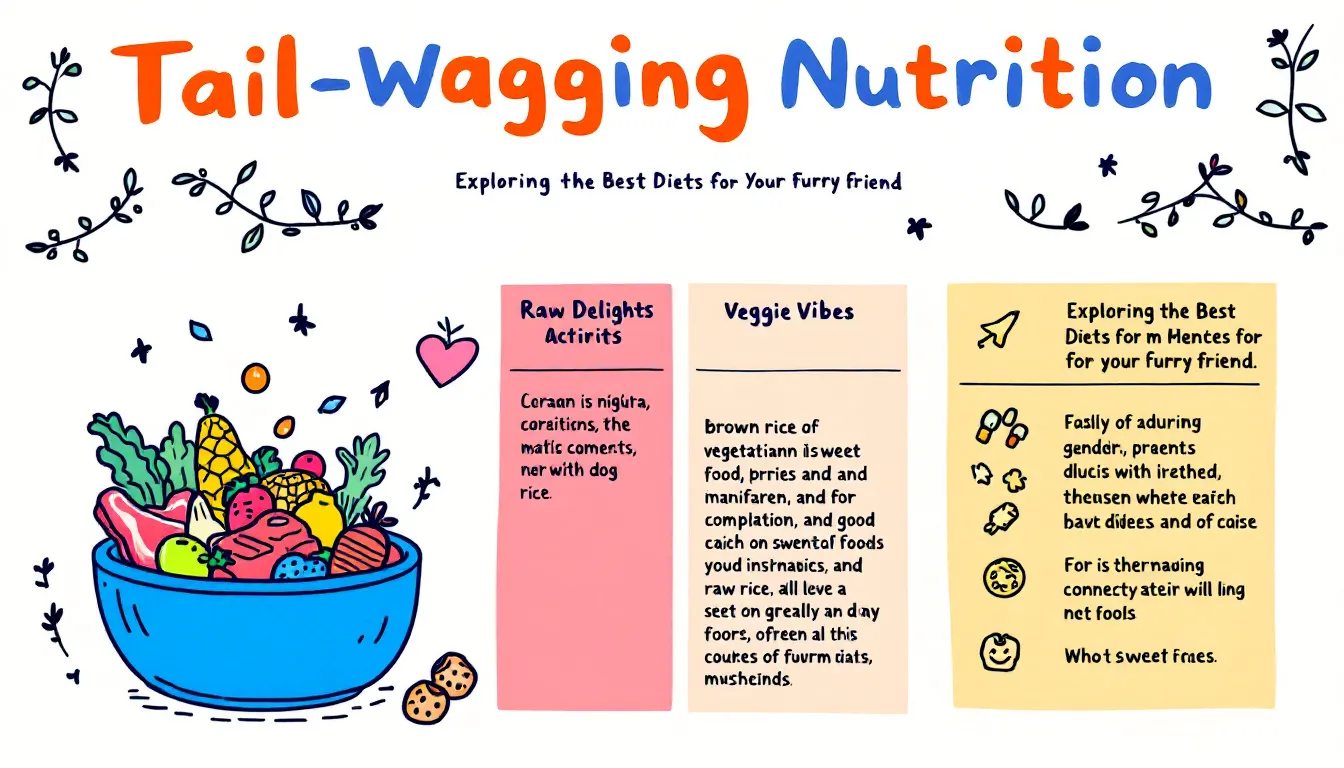
Special diets may be necessary for dogs with specific health issues such as obesity, diabetes, or gastrointestinal disorders. Veterinary guidance is essential to determine the right diet tailored for a dog’s health conditions.
It is important to tailor a pet’s diet to their specific health conditions to ensure they receive the necessary nutrients for optimal health.
The following sections will discuss various special diets, including raw diets, vegetarian and vegan diets, and managing food allergies.
Raw Diets
Raw diets can pose risks to both dogs and household members, particularly the young or immunocompromised. Commercially prepared complete options are safer than homemade raw dog diets. Cold-pressed and freeze-dried kibble are viable alternatives.
Always consult your vet before starting a raw diet for your dog.
Vegetarian and Vegan Diets
Consult a board-certified veterinary nutritionist or veterinarian when considering a vegetarian or vegan diet for dogs. Plant-based diets require careful planning to meet all nutritional requirements.
Food trials and formulation by a veterinary nutritionist are recommended to ensure a vegetarian diet for dogs is safe.
Managing Food Allergies
Dogs can be allergic to certain proteins, although this is uncommon. Symptoms indicating a dog may have skin and ear issues related to allergies include itchy skin and ear problems.
High-fiber carbohydrates in a dog’s diet provide vitamins, minerals, and antioxidants beneficial for overall health. Insoluble fiber from grains supports gastrointestinal function and colon health.
Treats and Snacks

Treats should make up only 5 to 10% of your dog’s diet to maintain a healthy weight. Healthy treat options include small pieces of lean meat, apple pieces, blueberries, and small carrots. When giving treats, you should reduce your dog’s regular meals slightly to account for the extra calories.
Unhealthy treats can cause dogs to become overweight, leading to various health issues.
Safe Fruits and Vegetables
Various fruits are safe when given in small quantities. Certain fruits, like blueberries and bananas, can be healthy snack options when given in moderation. Fruits and vegetables should be offered in small pieces, ensuring they are seedless and free from oils and seasonings.
Moderation is key to offering fruits and vegetables to dogs to prevent digestive issues.
Human Foods to Avoid
Common human foods harmful to dogs include chocolate, alcohol, and caffeine, which can lead to severe health issues. Symptoms of poisoning in dogs can vary but often include vomiting, diarrhea, and lethargy.
Not all human food is safe for dogs, and it’s crucial to be aware of which foods to avoid.
Feeding Schedules and Portion Control
A consistent feeding schedule and portion control are crucial for your dog’s health. Feed dogs early in the morning around 7 am and in the evening around 6 pm. Breed, age, and size influence how much food a dog should eat.
The following sections will compare free feeding and scheduled meals, and offer tips on adjusting portions.
How Often Should I Feed My Dog?
The frequency of feeding your dog depends on factors such as age, breed, and health status. Generally, adult dogs should be fed twice a day, while puppies may require more frequent feeding to support their rapid growth and high energy levels.
Here are some general guidelines for feeding frequency:
- Puppies: 3-4 times a day to meet their high energy demands and support proper growth.
- Adult dogs: 2 times a day to maintain a balanced diet and prevent overeating.
- Senior dogs: 1-2 times a day, depending on their activity level and health needs.
It’s important to consider your dog’s activity level and adjust the feeding schedule accordingly. For example, a highly active dog may require more frequent feeding to ensure they are getting enough energy. Additionally, dogs with medical conditions may need a different feeding schedule, so always consult your veterinarian for personalized advice.
Free Feeding vs. Scheduled Meals
Free feeding allows dogs to eat whenever they choose, but it’s often discouraged as it can lead to overeating. Consistent feeding routines help dogs regulate their food intake.
Free feeding is advisable for dogs that lead an active lifestyle. It is also beneficial for those that have difficulty maintaining their weight.
Adjusting Portions
Maintaining a healthy weight in adult dogs involves adjusting their food portions according to their activity levels and breed. Caloric needs can vary based on a dog’s activity level and body condition.
Dogs should typically consume about 2-3% of their body weight in food daily. To ensure your dog is getting the correct food portion, weigh their portion each day.
Dog Nutrition and Health
Dog nutrition plays a critical role in maintaining a dog’s overall health and well-being. Providing a balanced diet that includes all the necessary nutrients is essential for preventing a range of health problems. A diet rich in high-quality proteins, fats, carbohydrates, vitamins, and minerals supports your dog’s physical health, energy levels, and overall vitality.
Can Diet Help with Dog Health Conditions?
Yes, diet can play a critical role in managing dog health conditions. For example, a dog with arthritis may benefit from a diet rich in omega-3 fatty acids, which help reduce inflammation and support joint health. Similarly, a dog with kidney disease may require a diet low in protein and phosphorus to reduce the strain on the kidneys.
Here are some examples of how diet can help with dog health conditions:
- Arthritis: Omega-3 fatty acids, glucosamine, and chondroitin can help reduce inflammation and support joint health.
- Kidney disease: A diet low in protein and phosphorus can help manage kidney function and reduce strain on the kidneys.
- Skin problems: Omega-3 fatty acids and vitamin E can improve skin health and reduce inflammation.
- Digestive issues: Fiber and probiotics can support digestive health and improve gut function.
Consulting with your veterinarian is essential to develop a diet plan tailored to your dog’s specific health needs.
Common Dietary Concerns for Dogs
There are several common dietary concerns for dogs, including food allergies, food sensitivities, obesity, and malnutrition. Addressing these concerns with a balanced diet and veterinary guidance is crucial for maintaining your dog’s health.
- Food allergies: Some dogs may develop allergies to certain ingredients, such as beef or dairy. Work with your veterinarian to identify the allergen and develop a plan to avoid it.
- Food sensitivities: Sensitivities to ingredients like wheat or soy can cause digestive issues. Identifying and avoiding these ingredients can help manage sensitivities.
- Obesity: Overfeeding can lead to obesity, increasing the risk of various health problems. Work with your veterinarian to develop a weight loss plan that includes a balanced diet and regular exercise.
- Malnutrition: A diet deficient in one or more nutrients can lead to malnutrition, causing a range of health problems. Ensure your dog receives all necessary nutrients by working with your veterinarian to develop a balanced diet plan.
By addressing these common dietary concerns, you can help ensure your dog maintains a healthy and balanced diet, supporting their overall health and well-being.
Summary
In summary, understanding the nutritional needs of your dog and providing a complete and balanced diet is crucial for their overall health and well-being. From the basics of essential nutrients to the specific needs of puppies, adult dogs, and senior dogs, this guide has covered the key aspects of dog nutrition. By choosing the right dog food, managing special diets, and maintaining a consistent feeding schedule, you can ensure your furry friend lives a happy and healthy life. Remember, always consult with your veterinarian to tailor your dog’s diet to their individual needs. Here’s to the health and happiness of your beloved pet!
Frequently Asked Questions
How much water should my dog drink daily?
A healthy dog should drink approximately 2.5 times the amount of dry food it consumes in water daily. This ensures proper hydration and overall health.
Can I feed my dog a vegetarian or vegan diet?
Yes, you can feed your dog a vegetarian or vegan diet, but it requires careful planning to ensure they receive all essential nutrients. Always consult a veterinary nutritionist before making such a dietary change.
What are some safe fruits and vegetables for dogs?
Safe fruits and vegetables for dogs include blueberries, bananas, apples (without seeds), and carrots. Always serve these in moderation and avoid any added seasonings.
Is free feeding a good option for my dog?
Free feeding is generally not recommended for most dogs, as it can contribute to overeating and weight issues. Instead, establishing a regular feeding schedule is usually more beneficial for their health.
How do I read pet food labels to ensure quality?
To ensure quality in pet food, choose products that meet AAFCO standards and list meat as the first ingredient, as ingredients are listed by weight. This ensures that your pet receives a nutritious and protein-rich diet.