Wondering what dog food is best for your pet? Veterinary nutritionist recommended dog food offers expert-approved choices tailored for your dog’s health, containing all the vitamins and nutrients necessary for dogs. In this article, we’ll reveal the top picks for 2025, ensuring you have trusted options to support your dog’s well-being.
Introduction to Dog Nutrition
Dog nutrition is a vital aspect of a dog’s overall health and well-being. A balanced diet that meets a dog’s nutritional needs is essential for maintaining optimal health, preventing diseases, and ensuring a long and happy life. With so many dog food brands and options available, it can be overwhelming for pet owners to choose the best dog food for their furry friend. A board-certified veterinary nutritionist can provide personalized recommendations based on a dog’s breed, age, health conditions, and lifestyle. When selecting a dog food, it’s essential to consider factors such as nutritional value, ingredient quality, and manufacturing processes. A dog’s diet should include a balance of macronutrients, including protein, fat, and carbohydrates, as well as essential vitamins and minerals.
Key Takeaways
- Consulting with a veterinary nutritionist is crucial for developing a personalized dog diet that meets individual nutritional needs.
- Adhere to AAFCO standards when choosing dog food to ensure it is labeled ‘complete and balanced,’ benefiting your dog’s health.
- Popular dog food brands recommended by veterinary nutritionists include Hill’s Science Diet, Royal Canin, and Purina, catering to various dietary requirements and preferences.
Understanding Veterinary Nutritionist Recommendations

When it comes to choosing the best dog food, consulting with a veterinary nutritionist or a Certified Canine Nutritionist is highly recommended. These experts can provide personalized advice based on your dog’s individual nutritional needs and health conditions. Whether your dog has allergies, a sensitive stomach, or specific dietary requirements, a veterinary nutritionist can develop a customized diet plan to ensure your pet receives optimal dog nutrition and pet nutrition.
Insights from a chief veterinary officer, such as Dr. Jerry Klein from the American Kennel Club, emphasize the importance of consulting with veterinary professionals for personalized dietary recommendations to prevent issues like obesity in dogs.
If you’re ever in doubt about your dog’s diet, seeking guidance from a veterinary nutritionist can be immensely beneficial. They can help you expand your nutritional knowledge and ensure your dog is not missing any essential nutrients. Collaborating with these professionals allows you to make informed decisions about your dog’s food, enhancing their overall health and longevity.
Key Nutritional Standards for Dog Food
Knowing the key nutritional standards for dog food is crucial for your pet’s health. The Association of American Feed Control Officials (AAFCO) sets the regulatory standards for pet food, ensuring that the food meets the necessary nutritional adequacy standards to be labeled as ‘complete and balanced’ for specific life stages. This means the food contains all the essential vitamins and nutrients your dog needs to thrive.
AAFCO’s nutrient profiles specify minimum protein requirements, with 18% for adult maintenance and 22.5% for growth and reproduction. These profiles also include specific requirements for essential vitamins and minerals, ensuring that your dog’s diet is nutritionally complete. AAFCO standards ensure the proper balance of amino acids and other essential nutrients, which are crucial for a dog’s health. When choosing dog food, look for the ‘complete and balanced’ label, which indicates that the food meets all AAFCO nutrient profiles.
By adhering to these standards, pet food manufacturers can provide dog foods that support your pet’s overall health and well-being. Choosing dog food that meets these standards ensures a balanced diet, supporting your pet’s growth, development, and overall health. This is why many pet food company options are available to meet these needs.
Top Recommended Dog Food Brands by Veterinary Nutritionists

Veterinary nutritionists often recommend specific dog food brands that meet high nutritional standards and cater to various dietary needs. Hill’s Science Diet is celebrated for its high-quality ingredients and is deemed the best dog foods overall adult dog food. Royal Canin’s dry dog food is tailored for picky eaters, boasting a highly palatable formula with a kibble size ideal for medium breeds.
For those on a budget, Dog Chow Complete provides a balanced diet enriched with essential vitamins and minerals. Purina ONE +Plus is favored for healthy weight management, featuring high protein content and glucosamine for joint support. Additionally, Purina’s Pro Plan for Sensitive Skin & Stomach incorporates probiotics and easy-to-digest ingredients, making it suitable for dogs with digestive issues. There are numerous other brands available that also meet high nutritional standards and cater to various dietary needs.
Some concerns have been raised about grain-free diets and their potential link to dilated cardiomyopathy (DCM), a serious heart condition in certain dog breeds. Veterinary nutritionists can offer insights into food interactions that may negatively impact your pet’s health condition, helping you make the best dietary choices for your dog.
Vet-Approved Dry Dog Food Options

Choosing vet-approved dry dog food can significantly enhance your dog’s health and longevity. Purina Pro Plan Shredded Blend is formulated for puppies, with real chicken as the first ingredient to support growth. Royal Canin Digestive Care features highly digestible proteins and prebiotics, promoting digestive health for dogs with sensitive stomachs. Some dry dog foods include probiotics to maintain a healthy balance of beneficial bacteria in the intestinal tract.
Purina Pro Plan Bright Mind includes nutrients like DHA for cognitive support and is designed to aid joint health for senior dogs. For dogs with skin allergies, Purina Pro Plan Adult Sensitive Skin & Stomach features alternative protein sources and easily digestible grains. IAMS Proactive Health Minichunks is a budget-friendly option that meets AAFCO standards, ensuring your dog receives a balanced diet.
Hill’s Science Diet Adult Large Breed is specially tailored for large breed dogs, focusing on joint support and a balanced nutrient profile. For weight management, Purina offers an excellent formula, while Canine Caviar provides hypoallergenic options for dogs with severe allergies. Farmina offers dry dog food options sourced sustainably, appealing to environmentally-conscious pet owners.
Wet Food Choices Endorsed by Experts
Wet dog food is often recommended by veterinary experts to assist dogs with dental issues and to stimulate appetite. Wet food often resembles fresh food, providing higher moisture content and easier digestibility. Hill’s Science Diet is favored for its high-protein formula, which supports lean muscle development and a healthy immune system. Iams ProActive Health offers a budget-friendly option with high-quality ingredients that provide essential nutrients.
Royal Canin’s wet food is tailored for small dogs, addressing their unique calorie needs and dental issues. Purina Pro Plan Bright Mind stands out for its nutrients that aid cognitive health in senior dogs.
Freshly prepared homemade diets often enhance palatability due to higher moisture content and digestibility compared to the best food commercial human foods.
Human Grade Dog Food: What to Know
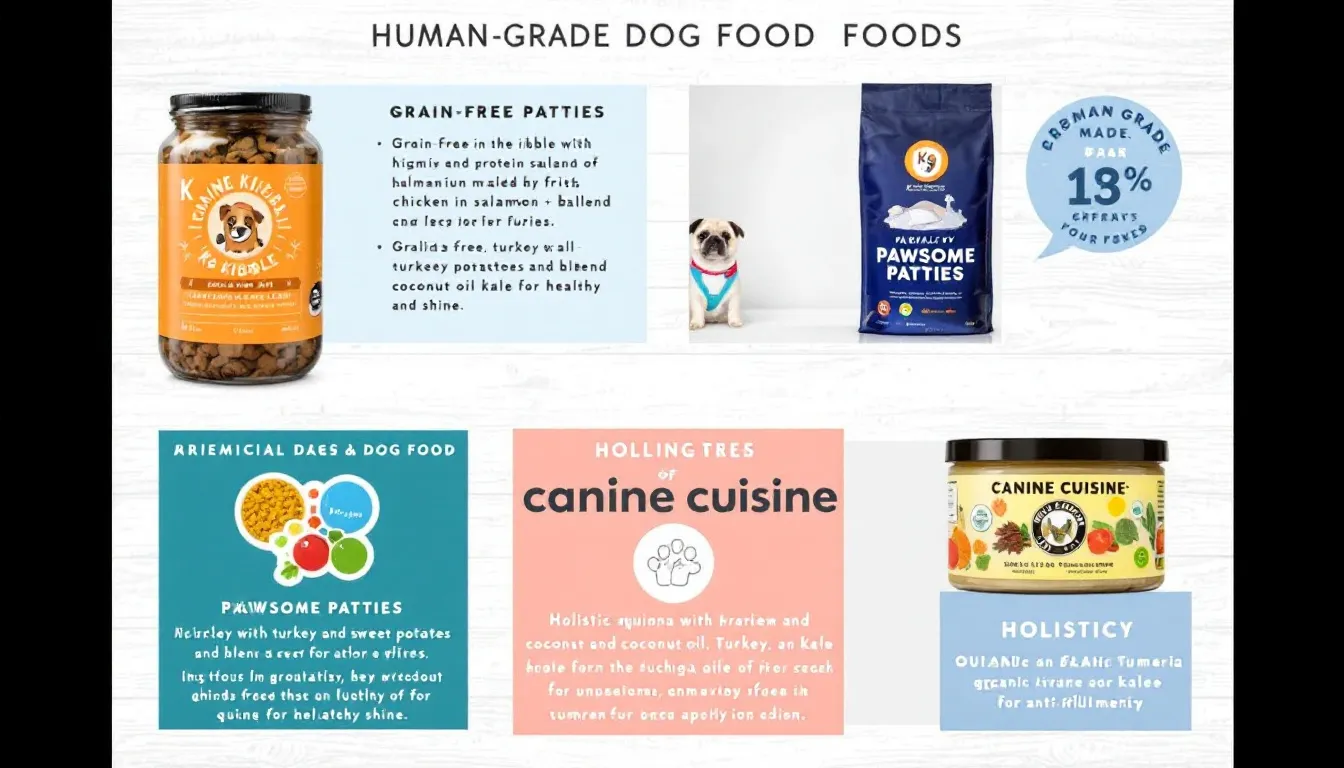
Human-grade dog food must meet specific standards set by regulatory bodies, ensuring it is safe and suitable for consumption, although this does not guarantee it is nutritionally superior for dogs. Human-grade dog food uses human grade ingredients, which are fresh, recognizable, and suitable for human consumption. Veterinary nutritionists often promote human-grade dog food for its potential to provide better hydration and nutrient density due to less processing compared to conventional kibble.
When choosing human-grade dog food, focus on ingredient quality and sourcing rather than the ‘human-grade’ label alone. This ensures that the food provides the necessary nutrients for your dog’s health and well-being, contributing to their overall health and longevity.
Addressing Special Dietary Needs
Veterinary nutritionists are key in developing diet plans and addressing nutrition-related health issues in pets. Veterinary professionals, such as a veterinary nutritionist, can enhance your pet’s overall health and help prevent diseases through clinical nutrition and veterinary medicine.
Prescription foods may be recommended by veterinarians for dogs with specific medical conditions. These foods are not always considered complete and balanced according to AAFCO standards and may require a vet’s approval or prescription to purchase.
For dogs with food sensitivities, Hill’s Science Diet offers specialized formulas. Royal Canin provides tailored diets for dogs with specific allergies and health conditions. Purina Pro Plan Sensitive Skin & Stomach uses salmon as its primary protein to minimize allergy risks.
Hill’s Science Diet Perfect Weight formula supports weight management through high fiber content. Homemade diets allow for a tailored nutritional approach, catering to individual pet needs.
Evaluating Pet Food Labels
Reading the pet food label is crucial for providing your dog with a proper diet tailored to their nutritional requirements. A dog food label should clearly indicate the type of animal the food is intended for, making it easily identifiable. The nutritional information adequacy statement informs whether the food meets the dietary needs of specific life stages.
Ingredients must be listed in descending order by weight, meaning the first ingredient is the most substantial component. A statement of caloric content on pet food labels must include kilocalories per kilogram and per serving size. Terms like ‘light’ or ‘low-calorie’ must correlate with a significant reduction in calories compared to standard versions of the product. Additionally, ingredients labeled as pork by-products can raise concerns about true ingredient quality and transparency in pet food formulations.
Budget-Friendly Options
While high-end dog foods may offer superior quality and nutrition, there are also budget-friendly options available that can provide a balanced and complete diet for adult dogs. Pet owners can consider factors such as ingredient quality, manufacturing processes, and nutritional content when selecting a budget-friendly dog food. Some dog food brands offer affordable options that meet AAFCO standards for nutrition, while others may offer discounts or promotions that can make their products more accessible. It’s essential to read dog food labels carefully and consult with a veterinary nutritionist to ensure that a budget-friendly option meets a dog’s nutritional needs. Additionally, pet owners can consider alternative options such as homemade dog food or raw food diets, but it’s crucial to ensure that these diets are nutritionally complete and balanced.
Customizing Your Dog’s Diet
Customizing your dog’s diet meets their unique dietary needs. Veterinary nutritionists often recommend home-cooked diets to address individual dietary requirements more effectively. These diets can be formulated based on readily available ingredients and tailored to your dog’s specific needs. A dog’s breed can significantly influence their dietary needs, and consulting with a veterinary nutritionist can help tailor the diet accordingly.
However, creating homemade pet diets typically requires more time and may incur higher costs, especially when using specialized ingredients or supplements. To minimize risks associated with homemade diets, it’s advisable to consult with a Board Certified Veterinary Nutritionist for guidance and formulation.
Nutrition plans created with board certified veterinary nutritionists’ guidance effectively meet your dog’s specific dietary needs.
Puppy Nutrition Essentials
Puppies require a complete and balanced diet at every meal to support their rapid growth and development. Their diet should consist of approximately 40% protein, 20% fat, and 40% carbohydrates to meet their nutritional needs. When selecting puppy food, look for formulations labeled specifically for puppies, with essential nutrients such as DHA and omega fatty acids for brain development.
Large breed puppies need diets with controlled growth rates to prevent joint issues, while small breed puppies require more calories per kilogram due to their faster metabolism. Providing your puppy with the right nutrition is crucial for their healthy development and overall well-being, especially considering different breed sizes and the dog’s age and life stage.
Raw and Homemade Diets: Pros and Cons
Raw and homemade diets for dogs have gained popularity, but they come with their own set of pros and cons. Homemade diets can be beneficial, especially for puppies, but they must be balanced properly to avoid deficiencies. Incorporating whole grains in homemade diets can provide balanced carbohydrates and prevent health issues. On the other hand, commercial foods are often more convenient and nutritionally complete, ensuring your dog receives all the necessary nutrients.
When considering a raw diet, ensure it provides a balanced diet to meet your dog’s nutritional needs. A veterinary nutritionist can help you make informed decisions and ensure your dog’s diet is both safe and nutritious.
Grain-Free and Alternative Diets

Grain-free diets are sometimes recommended for dogs with specific food allergies or gluten intolerance. These diets can provide relief for dogs with food sensitivities, but it’s essential to consult with a veterinary nutritionist to ensure they meet your dog’s nutritional needs.
Most dogs should be fed on the lower end of the recommended range to avoid obesity, and personalized feeding advice from veterinarians is crucial.
Alternative diets, such as those incorporating novel protein sources, can benefit dogs with food allergies. However, monitor your dog’s health closely and make dietary adjustments as needed to ensure they receive a balanced diet.
Pet Food Safety
Pet food safety is a critical concern for pet owners, as contaminated or spoiled food can pose serious health risks to dogs. Pet food manufacturers must adhere to strict safety protocols and regulations to ensure that their products are safe for consumption. Pet owners can take steps to ensure pet food safety by checking expiration dates, storing food properly, and handling food safely. It’s also essential to be aware of pet food recalls and to consult with a veterinary nutritionist if there are concerns about a particular dog food brand or product. Furthermore, pet owners can look for dog food brands that have undergone feeding trials and have a proven track record of safety and quality.
Monitoring Your Dog’s Health and Diet
Regular veterinary check-ups assess your dog’s nutritional needs and guide necessary dietary adjustments for your dog’s food. Monitoring your dog’s weight, food portions, and overall health helps prevent issues like pet obesity and ensures a healthy lifestyle for the average dog, including proper feeding dogs.
Incorporating healthy snacks like fruits and vegetables can enhance your dog’s diet but should be done carefully to monitor their tolerance. By keeping a close eye on your dog’s health and diet, you can ensure they live a long and healthy life.
Staying Up-to-Date
The field of dog nutrition is constantly evolving, with new research and discoveries being made regularly. Pet owners can stay up-to-date on the latest developments in dog nutrition by consulting with a board-certified veterinary nutritionist, reading reputable sources such as the American Feed Control Officials (AAFCO) or the National Research Council (NRC), and attending workshops or seminars on dog nutrition. Additionally, pet owners can join online communities or forums to connect with other dog owners and stay informed about new products, research, and trends in dog nutrition. By staying informed and educated, pet owners can make informed decisions about their dog’s diet and ensure that they are providing the best possible nutrition for their furry friend.
Summary
Choosing the right dog food for your pet is essential for their overall health and well-being. By understanding the key nutritional standards, consulting with veterinary nutritionists, and selecting high-quality dog food, you can ensure your dog receives the best nutrition possible. Tailoring your dog’s diet to meet their individual needs, whether through commercial or homemade diets, will contribute to their long-term health and happiness.
Remember, your dog’s nutritional needs may change over time, so regular veterinary check-ups and monitoring their diet are crucial. By staying informed and proactive, you can provide your furry friend with the best care and nutrition, ensuring they live a healthy and fulfilling life.
Frequently Asked Questions
Why is it important to consult a veterinary nutritionist for my dog’s diet?
Consulting a veterinary nutritionist is essential as they offer tailored guidance that addresses your dog’s specific nutritional needs and health conditions, ensuring optimal nutrition for their well-being.
What should I look for on a pet food label?
When examining a pet food label, prioritize the intended animal type, the nutritional adequacy statement, the ingredients listed by weight, and the caloric content to ensure you are choosing the best option for your pet’s needs. This will help you make an informed decision.
Are grain-free diets safe for my dog?
Grain-free diets can be safe for dogs with specific food allergies or intolerances, but it is essential to consult a veterinary nutritionist to ensure the diet meets your dog’s nutritional needs.
What are the benefits of human-grade dog food?
Human-grade dog food offers superior hydration and nutrient density due to minimal processing and high-quality ingredients. This can lead to improved overall health for your dog.
How can I ensure my puppy gets the right nutrition?
To guarantee your puppy receives the right nutrition, provide a complete and balanced diet formulated specifically for puppies, ensuring it includes essential nutrients like DHA and omega fatty acids. This approach supports their growth and overall health.